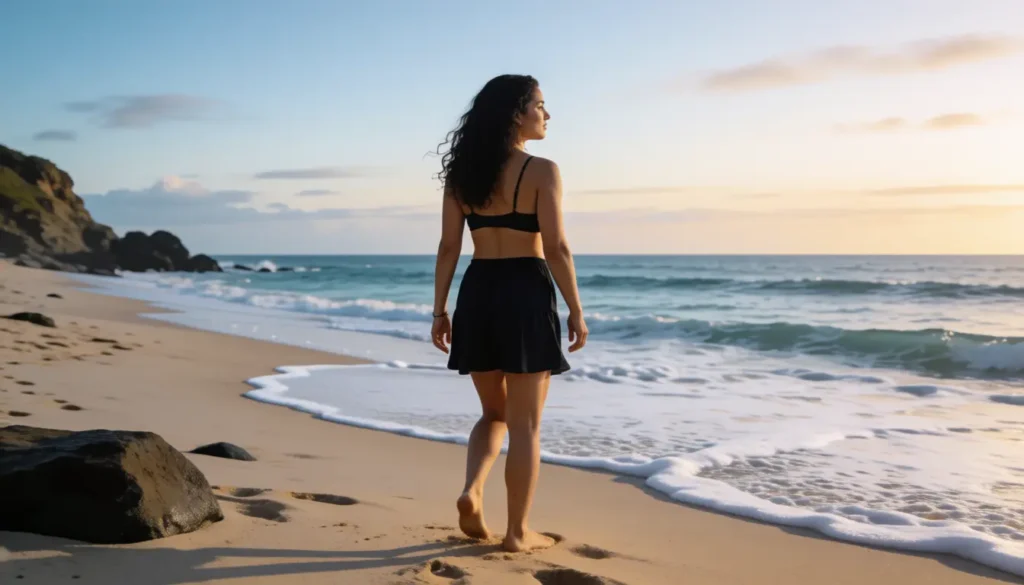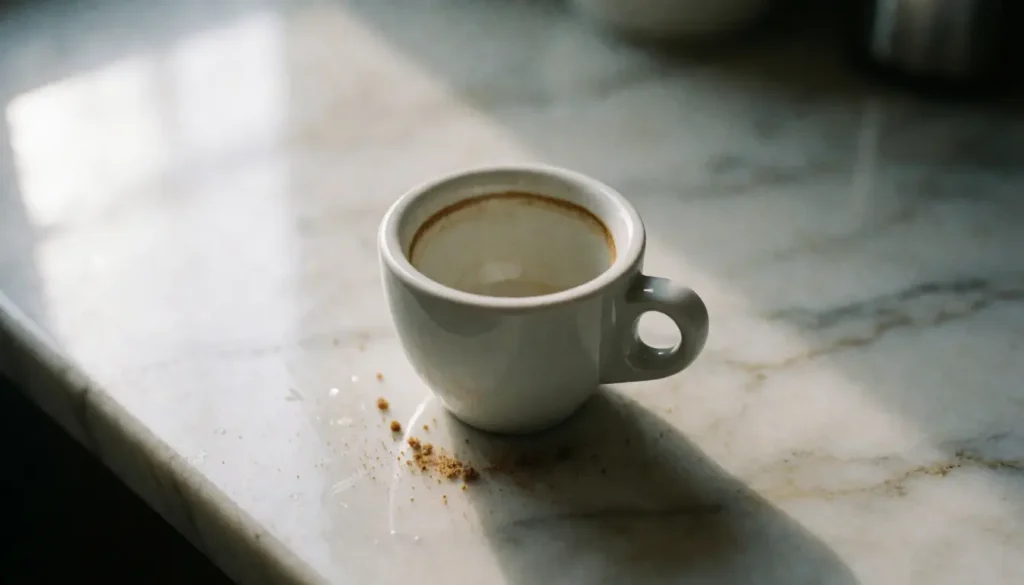
The sun was on the harbour wall before I was. I sat down on the warm stone and a coffee I’d bought at the quay was already going cold in my hand.
Porto Covo is twenty-something kilometres north of where I’ve been staying. I went there because I hadn’t been yet, which is not much of a reason but it was enough for a Tuesday.
The village is smaller than Milfontes and whiter. The houses have that blank, lime-washed look that makes you squint in midday light. I walked from the bus stop through narrow streets where the plaster was peeling in patches, showing older plaster underneath. Blue tiles on some doorways. Pots of rosemary on steps. A cat sleeping in a doorway that had been painted yellow a long time ago.
I reached the main square and it was already full. Families, children, a man in a green apron selling ice cream from a cart. It was eleven. People were eating ice cream at eleven in the morning. I don’t know why that struck me. It just did.
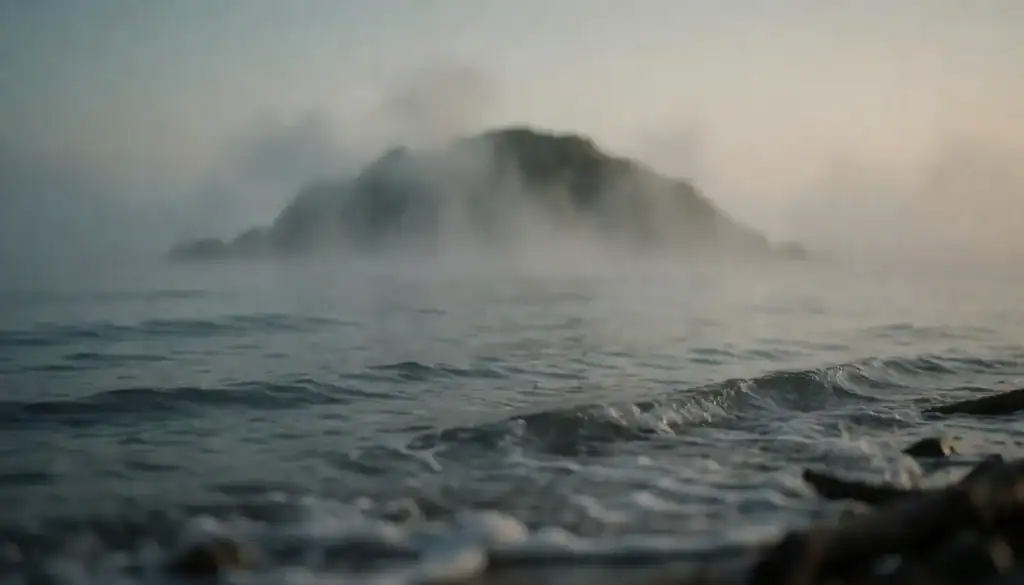
I walked through the square and down to the harbour. The water was flat and greenish. Offshore, maybe four hundred metres out, there was an island. Ilha do Pessegueiro. I could see the ruins of a fort on it — low walls, a broken outline against the sky. A boat would have taken me there. I think there was a man at the quay offering trips. He had a red cooler and a hand-painted sign.
I didn’t go.
I sat on the harbour wall instead. The stone was warm under my legs. The coffee went cold and I drank it anyway. There were small fish near the rocks below me, dark shapes darting in the shallows. A child threw a piece of bread and the fish scattered, then came back. I watched the island for an hour. The fort didn’t change, obviously, but the light on it did. It went from hard white to something softer as a cloud moved over.
I thought about the storks on the cliffs at Cabo Sardão and how I’d stood there watching them circle for longer than made sense. This felt similar. Sitting and looking at something I hadn’t walked to.
An older woman came and sat near me with a bag of bread. She didn’t look at me. She tore the bread and threw it piece by piece. The fish went wild. She did this for ten minutes, then left. The bag was empty. She hadn’t said anything.
I took the bus back. The island got smaller through the window and then the road turned inland and it was gone.
I don’t know why I didn’t take the boat. It wasn’t the money. It wasn’t fear. I think I wanted the island to stay where it was, a shape on the water I could look at from a distance. If I’d gone, I’d have facts about it. How thick the walls are, what the view looks like from inside the fort, whether there is litter on the beach. I didn’t want facts. I wanted the outline.
Or maybe I was just tired. I never worked out which.
Getting there
The bus from Vila Nova de Milfontes to Porto Covo runs along the coast road. I caught the morning one. The ride was short, maybe thirty minutes. The road drops down into the village from the north and you see the sea before you see the houses.
When to go
Late August. The mornings are still cool enough for a jacket, but by noon the sun is direct and heavy. The crowds in the square were thick for a weekday. I think in September it would thin out. The heat would still be there but the families would be gone home. That is probably the better window, though I wasn’t there for it.
If you’re thinking about it
- Take the morning bus from Milfontes; the return service runs a few times a day, so check the times before you go or you will be waiting in the square.
- There is no shade on the harbour wall after midday. Go early or bring a hat.
- The ice cream cart in the square opens by ten.
- If you want to go to Ilha do Pessegueiro, ask at the harbour. I didn’t, so I can’t tell you the cost or the schedule.
- Porto Covo is small. You can see the whole village and the harbour in two hours.
I’ll be here a while longer.